
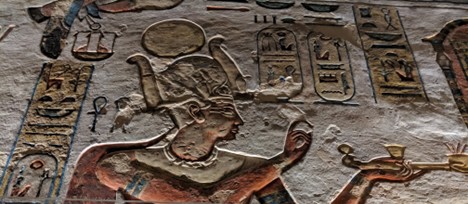
Have you ever wondered how something as unassuming as scent can shape entire civilizations? This course explores the silent power of smell and its influence on how societies interpret concepts like power and being. We’ll begin by examining how scent affects daily life in the US. With activities like scent walks and experiments, you’ll discover how smell shapes our ideas about medicine, relationships, and wealth. Meanwhile, we’ll dive into the fragrant world of the ancient Mediterranean, exploring how the ancient Egyptians, Mesopotamians, Greeks, Romans, and the early Abrahamic religions perceived scent and its entanglement with their belief systems, social lives, and power negotiations.
- Instructor of record: Robyn Price
- Instructor of record: Robyn Price
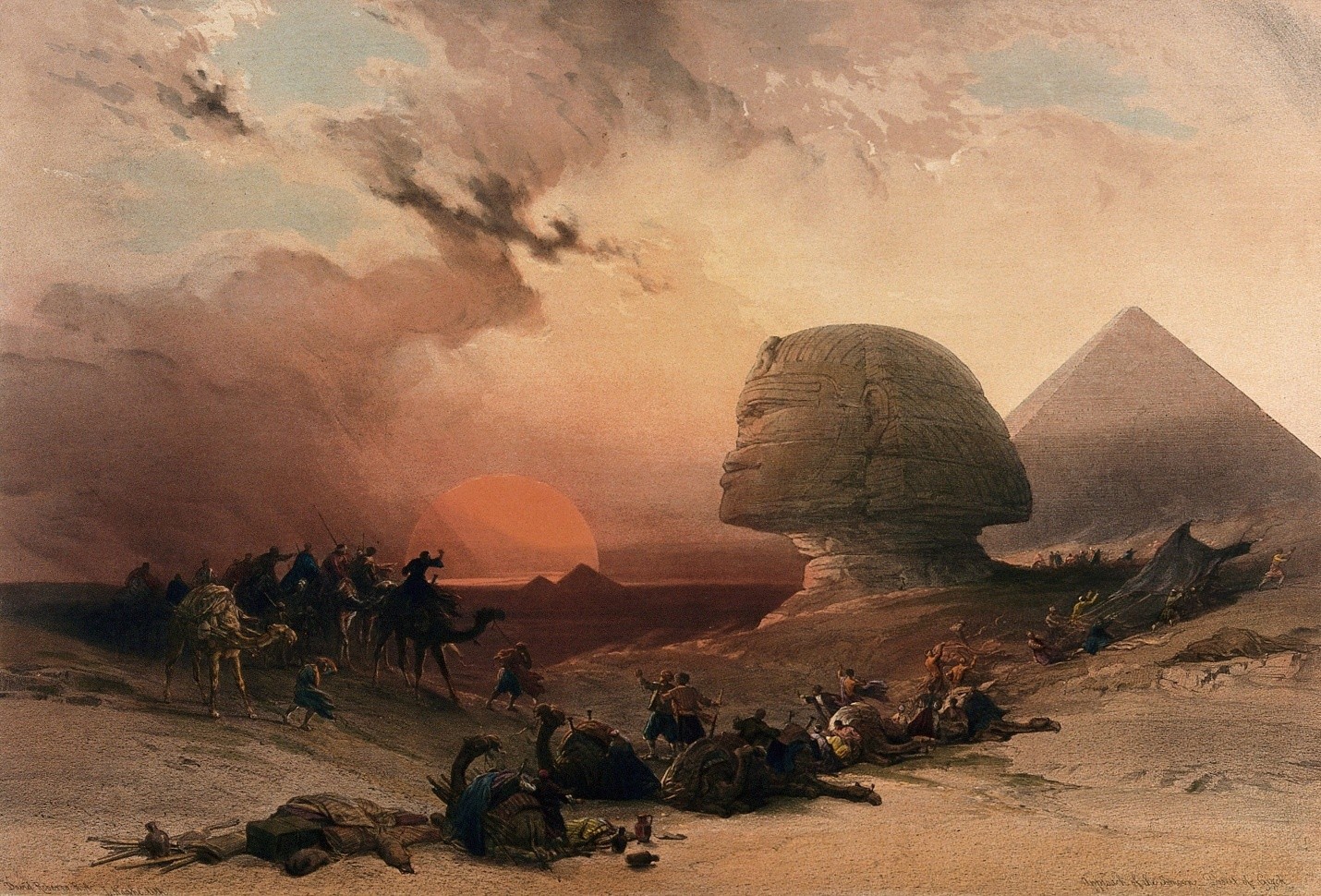
How did the past feel, smell, sound, taste, and move? This graduate seminar explores the role of the senses in archaeological thought and practice. We examine how sensory experiences shaped ancient lifeways and how archaeologists today reconstruct—or invent—those experiences through theory, method, and imagination. Readings draw from archaeology, anthropology, history, and sensory studies, with special attention to embodiment, perception, colonial legacies, and the politics of interpretation. Students will engage critically with key debates while experimenting with creative, multisensory approaches to primary sources. Weekly reading journals, seminar discussions, and a hands-on midterm project will build toward a final project that explores how the sensory might shift archaeological storytelling, pedagogy, or public engagement. Throughout, we ask: Whose senses are centered? What senses are valued, and why? And what is at stake when trying to sense the past?
- Instructor of record: Robyn Price
- Instructor of record: Henry Colburn
- Instructor of record: Henry Colburn
- Instructor of record: Henry Colburn
- Instructor of record: Henry Colburn
- Instructor of record: Henry Colburn
- Other editing teacher: Clare Rasmussen
- Other editing teacher: Bingxian Yu
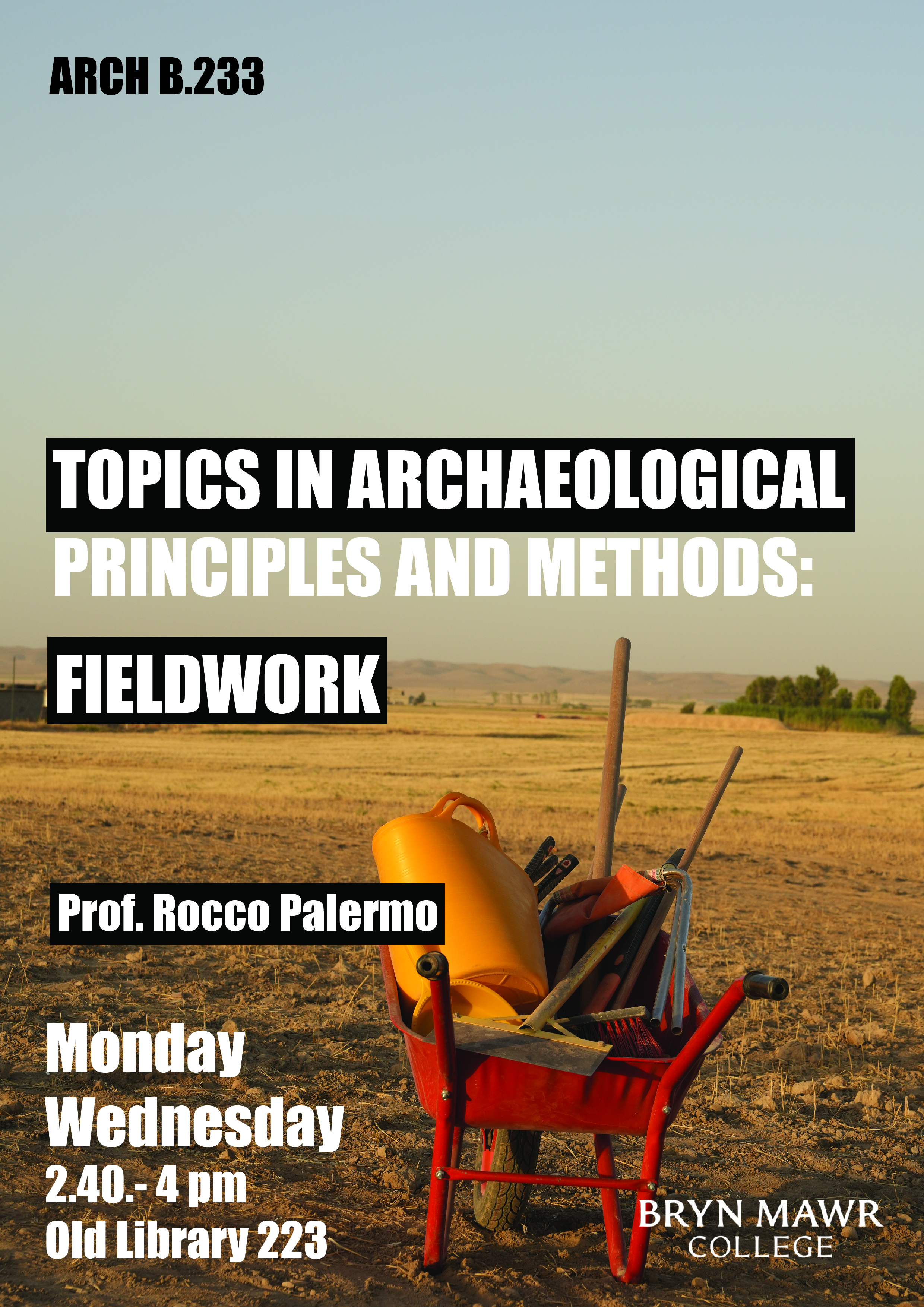
- Instructor of record: Rocco Palermo
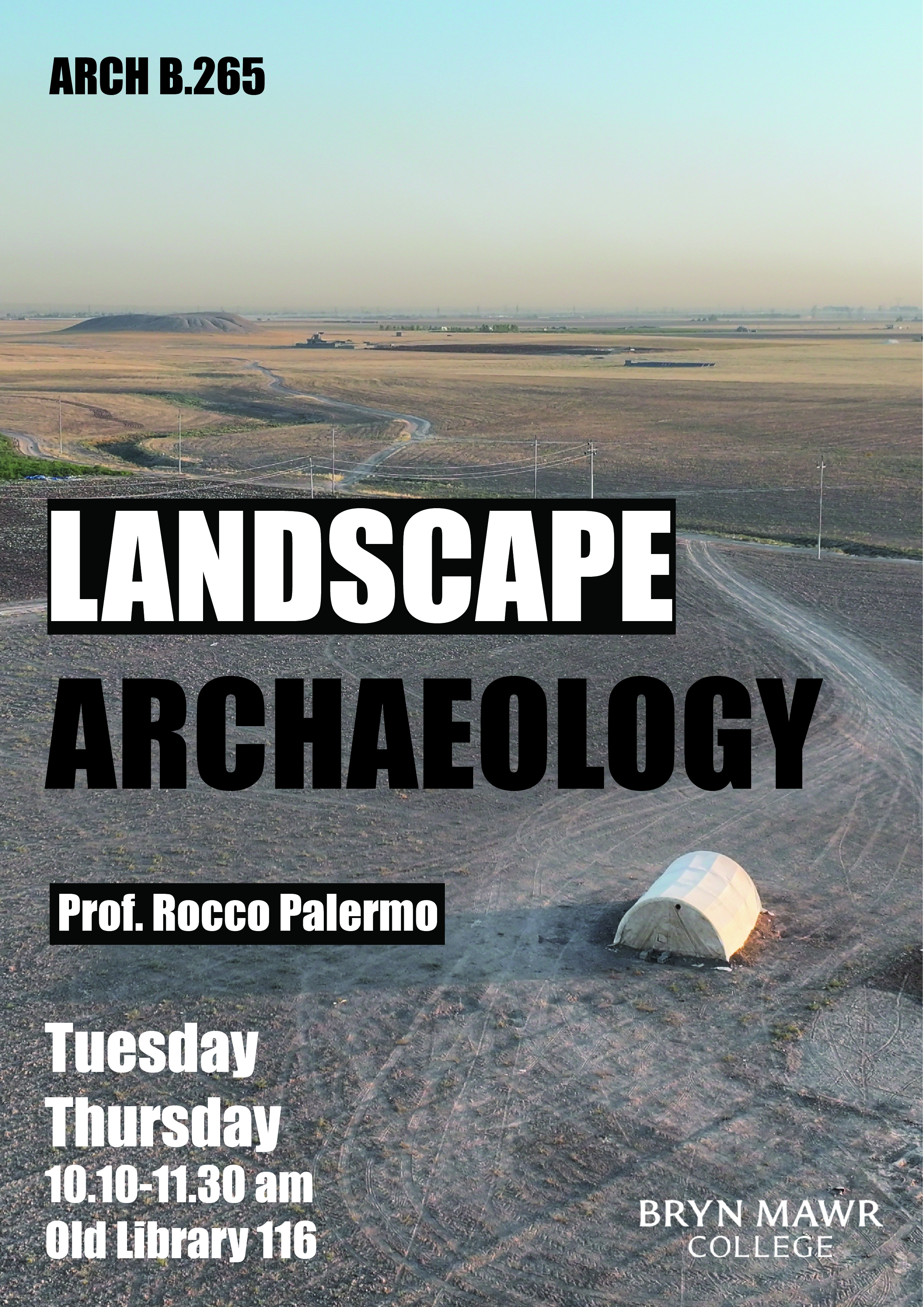
- Instructor of record: Rocco Palermo
- Instructor of record: Astrid Lindenlauf
- Instructor of record: Astrid Lindenlauf
- Instructor of record: Astrid Lindenlauf
- Instructor of record: Rocco Palermo