
- Instructor of record: Jennifer Hurley
- Instructor of record: Gary McDonogh
- Instructor of record: Dirk Kinsey
- Instructor of record: Dirk Kinsey
- Instructor of record: Jeffrey Cohen
- Instructor of record: Mason Lehman
- Instructor of record: Samuel Olshin
- Other editing teacher: Michele Borgia
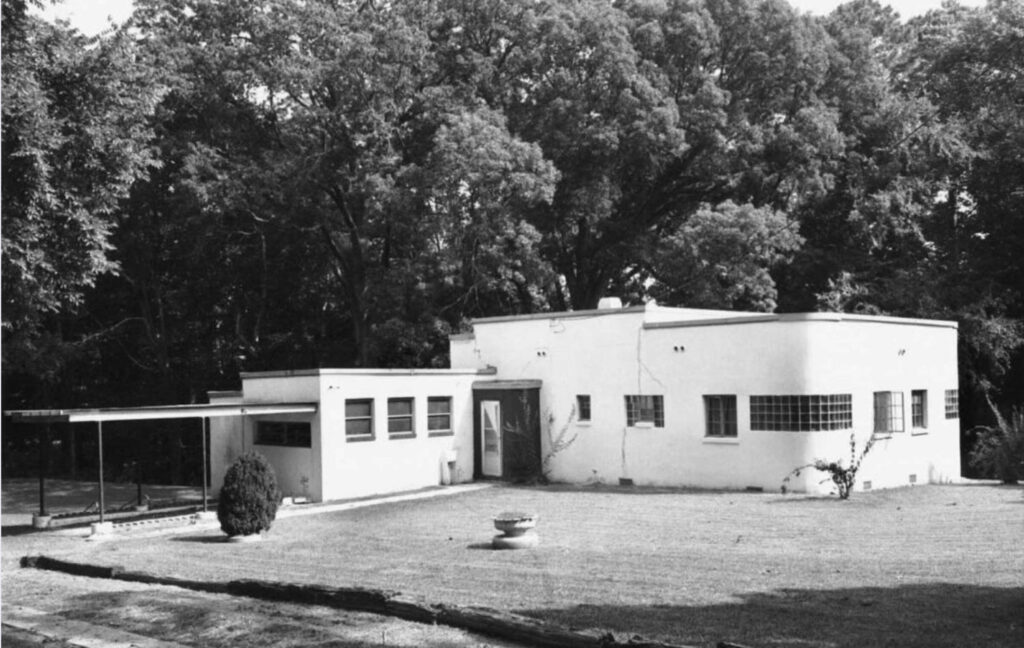
This survey course aims to introduce students to a broad range of architectural cases studies primarily constructed in the 18th to mid-20th centuries. Departing from conventional metanarratives of architectural history that place the advent of modern architecture in late nineteenth or early twentieth century Western Europe, this class considers how global architectural styles, techniques of construction, and approaches to city-making have been shaped by the onset and spread of capitalism, colonialism, industrialization, and regimes of environmental extraction. We will see how techniques and technologies of architectural design ‘developed’ over these centuries, while also inquiring what systems of knowledge, labor, and representation were erased in the name of ‘development,’ ‘modernization,’ and ‘progress.’ In turn, the course also foregrounds the role that abolitionist, socialist, feminist, and Black radical movements played in projecting other utopian possibilities for the built environment.
- Instructor of record: M.C. Overholt
Instruction Mode: In Person
- Instructor of record: Daniel Ferman-Leon
- Instructor of record: Lauren Restrepo
What does the city—its architecture, institutions, and liminal spaces—teach us about the history queer and trans community, culture, and practices of resistance and refusal? What does it mean to think beyond ‘official archives’ and conceptualize the city itself as a repository of queer and trans history? How can historians, designers, and urban thinkers use multisensorial tools (visual, auditory, tactile, olfactory, taste) tools to tell queer and trans spatial histories, as well as speculative urban futures? What are the politics of rendering visible spaces and practices designed to evade police and state surveillance? Using queer and trans theoretical frameworks, we will think of the city itself as a classroom in which we can experiment with alternative ways of knowing, reading, and representing the built environment.
In this course, we will focus on in-class discussions of key theoretical and historical texts exploring how gender and sexuality inform, and are informed by, the design of U.S. cities. These texts will introduce students to the vibrant subfield of queer and trans urban studies and equip them with analytical tools for pursuing their independent research in the course, focusing on the city of Philadelphia and its LGBTQIA+ history. Throughout the semester, Philadelphia will also be our classroom. We will take brief walking tours—visiting queer and trans sites to consider how they are represented today in the urban fabric—as well as visit community institutions like the William Way LGBT Center in the Gayborhood and Dyke+ ArtHaus in West Philadelphia.
Students will also be asked to engage with the city of Philadelphia through their own research. Through incremental, site-based assignments that prioritize embodied knowledge, sensorial experience, and personal testimony, students will create an embodied archive of an LGBTQIA+ site in Philadelphia. The final form of the student work will reflect upon the content of their research, and could be (but is not limited to): a photo-essay, series of site-based poems, or ‘zine; a sculpture or 3-d object using site-based material or archival ephemera; a site-specific installation or performance that might incorporate sound, touch, or other sensation beyond the visual. The goal of the final assignment is not just documentarian (though documentation is part of it) but also interpretive: making queer and trans histories alive in the present. At the end of the semester, we will assemble our collective queer/trans archive of Philadelphia, which will be kept for future generations to see in the Queer Space Archive (location TBD).
In this course, we will focus on in-class discussions of key theoretical and historical texts exploring how gender and sexuality inform, and are informed by, the design of U.S. cities. These texts will introduce students to the vibrant subfield of queer and trans urban studies and equip them with analytical tools for pursuing their independent research in the course, focusing on the city of Philadelphia and its LGBTQIA+ history. Throughout the semester, Philadelphia will also be our classroom. We will take brief walking tours—visiting queer and trans sites to consider how they are represented today in the urban fabric—as well as visit community institutions like the William Way LGBT Center in the Gayborhood and Dyke+ ArtHaus in West Philadelphia.
Students will also be asked to engage with the city of Philadelphia through their own research. Through incremental, site-based assignments that prioritize embodied knowledge, sensorial experience, and personal testimony, students will create an embodied archive of an LGBTQIA+ site in Philadelphia. The final form of the student work will reflect upon the content of their research, and could be (but is not limited to): a photo-essay, series of site-based poems, or ‘zine; a sculpture or 3-d object using site-based material or archival ephemera; a site-specific installation or performance that might incorporate sound, touch, or other sensation beyond the visual. The goal of the final assignment is not just documentarian (though documentation is part of it) but also interpretive: making queer and trans histories alive in the present. At the end of the semester, we will assemble our collective queer/trans archive of Philadelphia, which will be kept for future generations to see in the Queer Space Archive (location TBD).
- Instructor of record: M.C. Overholt
- Instructor of record: Jeffrey Cohen
- Instructor of record, Other editing teacher: Jennifer Hurley
- Instructor of record: Gary McDonogh
- Instructor of record: Lauren Restrepo
- Other editing teacher: Margaret Kelly
- Instructor of record: Gary McDonogh
- Instructor of record: Gary McDonogh
- Instructor of record: Lauren Restrepo
- Other editing teacher: Liv Raddatz