
- Instructor of record: Kalala Ngalamulume
- Instructor of record: Anita Kurimay
- Instructor of record: Kalala Ngalamulume
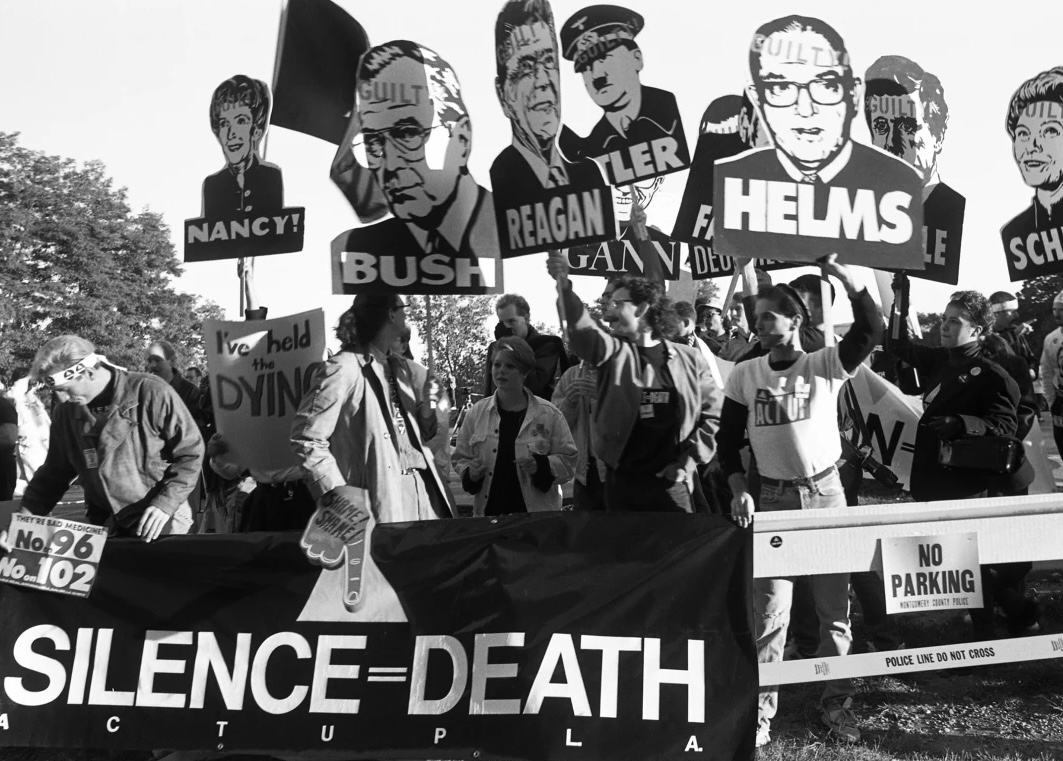
- Instructor of record: Stephen Vider
- Other editing teacher: Emily Leifer
- Other editing teacher: Grace Roebuck
This course takes its title from the study by Eric Williams (1911-1981), who became the first Prime Minister of independent Trinidad and Tobago in 1962. Based on this colonial Caribbean scholar’s doctoral dissertation in History at Oxford University in 1938, Capitalism and Slavery (University of North Carolina Press, 1944) challenged prevailing assumptions about “race” and slavery along with the scholarly consensus that Parliamentary abolition of slavery in 1833 was a national act of humanitarianism that distinguished and exemplified the progressiveness and benevolence of British civilization at home and – through imperial expansion and consolidation – abroad. Not published in Britain until 1964, the book and its arguments have resonated ever since, in the substantial scholarship on histories of Atlantic slavery and abolition, but also in debates over the colonial roots (and routes) of British capitalism in the 19th, 20th and early-21st centuries and, indeed, on the genealogies of what is understood as “modernity” or “the modern,” on the one hand, and the political economy of “race,” on the other?
Pivoting on the book and its receptions, the course explores conditions and relations of knowledge-production, circulation and valuation in our post-colonial present, and modernity. While this is in many ways a course about the relationships between capitalism and slavery in "the past," it is also very much about the conditions under which people have experienced, framed, critiqued and engaged these institutions and the mutually-constitutive discourses on race, gender, sexuality, labor, nation and citizenship with which they have been entwined through time and also in the "present" we all currently inhabit.
The final third of the course toggles between examination of the online Legacies of British Slave-ownership database (www.ucl.ac.uk/lbs) first released in 2014 and scholarly receptions of Capitalism and Slavery since the mid-20th century. The objective here is to introduce and briefly immerse students in archival research and historiographical analysis simultaneously, both being central to modern historical practice, and both being also, of course, themselves constituted in particular historical conjunctures. Students will engage both in individual research projects based in or inspired by the database and in group presentations of particular scholars’ contributions to specific debates on Capitalism and Slavery since the 1970s. In the process, you will learn about (and practice) some of the techniques of historical practice, about the political economies of knowledge production, and about the relationships between them.
Pivoting on the book and its receptions, the course explores conditions and relations of knowledge-production, circulation and valuation in our post-colonial present, and modernity. While this is in many ways a course about the relationships between capitalism and slavery in "the past," it is also very much about the conditions under which people have experienced, framed, critiqued and engaged these institutions and the mutually-constitutive discourses on race, gender, sexuality, labor, nation and citizenship with which they have been entwined through time and also in the "present" we all currently inhabit.
The final third of the course toggles between examination of the online Legacies of British Slave-ownership database (www.ucl.ac.uk/lbs) first released in 2014 and scholarly receptions of Capitalism and Slavery since the mid-20th century. The objective here is to introduce and briefly immerse students in archival research and historiographical analysis simultaneously, both being central to modern historical practice, and both being also, of course, themselves constituted in particular historical conjunctures. Students will engage both in individual research projects based in or inspired by the database and in group presentations of particular scholars’ contributions to specific debates on Capitalism and Slavery since the 1970s. In the process, you will learn about (and practice) some of the techniques of historical practice, about the political economies of knowledge production, and about the relationships between them.
- Instructor of record: Madhavi Kale
Instruction Mode: In Person
variously styled “south Asia,” and the Indian subcontinent since (primarily) the 19th century, this course considers in historical perspective such contemporary concerns as "globalization," the nation and nationalism, sectarianism, communalism, and the identities, affinities and politics in which these terms and the complex phenomena they name are enmeshed in the context of migrations.
The course considers framings of both “India” and the movements of people through, in and from it, and on the epistemological assumptions and methodological practices associated with migration from this region. It also considers some of the effects of the various modalities governing these “passages” (including empire and nation), along with the migration experiences and cultural, social and political formations encountered and engendered by the men and women circulating through imperial and national spaces in and from South Asia.
The course considers framings of both “India” and the movements of people through, in and from it, and on the epistemological assumptions and methodological practices associated with migration from this region. It also considers some of the effects of the various modalities governing these “passages” (including empire and nation), along with the migration experiences and cultural, social and political formations encountered and engendered by the men and women circulating through imperial and national spaces in and from South Asia.
- Instructor of record: Madhavi Kale

- Instructor of record: Stephen Vider
- Instructor of record: Anita Kurimay
- Instructor of record: Stephen Vider