


This course examines various approaches to understanding the body, considering how these “ways of knowing” inform and are informed by different cultural, social, and political contexts.
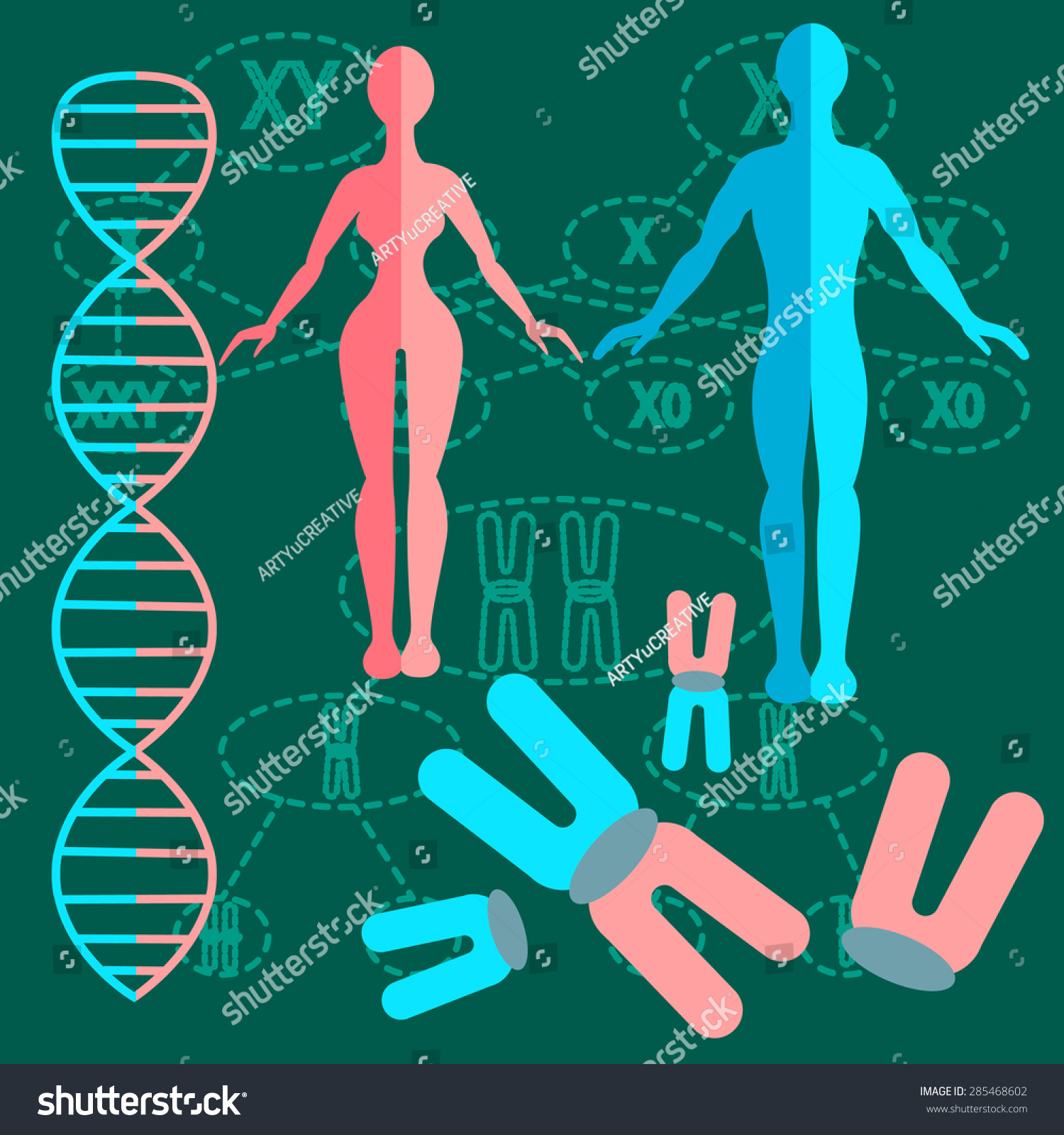
Bodies are central to many thematic, theoretical, and methodological interests in the humanities, social and life sciences. However, what constitutes a body and what it means to be in a body has been understood differently in different contexts over time and across academic disciplines. By focusing on the example of gender/sex, and what it can tell us about the different ways that we categorize and characterize bodies, we will examine these differences, while also holding differing ways of knowing in a productive tension. By the end of the course, students will gain an understanding of social theories of the body, sex and gender and be equipped to critically assess how these theories contrast and complement biomedical understandings of human biology, as well as how these ways of knowing animate contemporary debates around bodies in the 21st century. This course is reading and writing intensive and will stress critical thinking and the development of academic writing skills.
Here are some key questions we’ll ask throughout the semester: What are we talking about when we talk about bodies? How do different ways of “knowing” bodies allow us to ask different kinds of questions? What forces shape the ways we conceive of sex and gender? How have concepts of sex and gender informed broader thinking about bodies and embodiment?
Class time will be devoted to brief introductory lectures and seminar-style discussions (pair, small group, entire class) with a strong emphasis on the latter. We’ll talk about what makes each work, idea, or study important to our understanding of sex/gender/bodies, its contexts, and what each of us finds particularly relevant and remarkable in the texts. Ideally, our discussions will draw on students’ diversity of knowledge and experience to foster a critical, in-depth exchange that investigates the many facets of these materials, as well as their relevance to our world today. We’ll also spend time improving our writing through drafting, peer editing, and revision.
Learning Outcomes:
- Understand the concept of epistemology and become familiar with various epistemological frameworks concerning the body, biological sex, and gender.
- Develop an understanding of ways of knowing bodies derived from social and biomedical sciences, along with their differences and similarities.
- Critically analyze how the body is represented in philosophical, cultural, and social discourses.
- Develop a reflective, personal perspective on the relationship between the body and ways of knowing in both theoretical and everyday contexts.
- Develop skills in close reading and summarizing complex texts and ideas
- Learn to work collectively in a seminar context
- Develop skills in analytical writing
- Instructor of record: Dirk Kinsey
- Instructor of record: Kelsey Obringer
- Instructor of record: Jennifer Skirkanich
- Instructor of record: Brenna Appleton
- Instructor of record: Kelsey Obringer
- Instructor of record: Jennifer Skirkanich

- Instructor of record: Kelsey Obringer
- Instructor of record: Jennifer Skirkanich
- Other editing teacher: Anna Gray Ashton
- Other editing teacher: Dalena Vien