
- Instructor of record: Rocco Palermo
- Instructor of record: Wu Xin
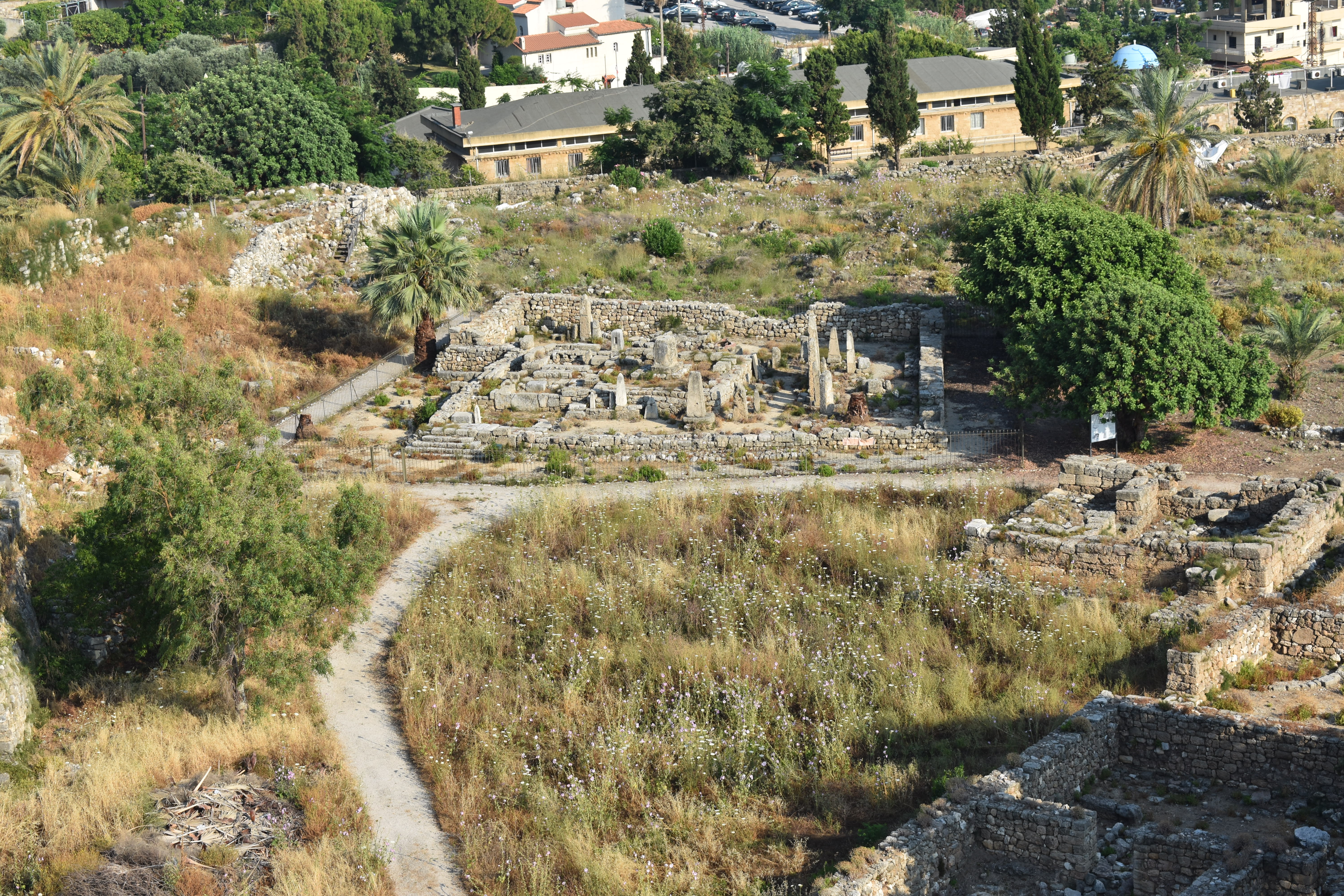
This course explores the rise and fall of the first international age in the eastern Mediterranean. We will focus on the cultural and diplomatic connections between Egypt, Syria, Anatolia and the Aegean during the Bronze Age, c. 2000-1200 BCE. Using archaeological and historical evidence we will explore the nature, extent and longevity of these connections and consider whether the Bronze Age really was the first age of ‘internationalism’.
- Instructor of record: Jennie Bradbury
- Instructor of record: Wu Xin
- Instructor of record: Rocco Palermo
- Instructor of record: Jennie Bradbury
- Instructor of record: Wu Xin
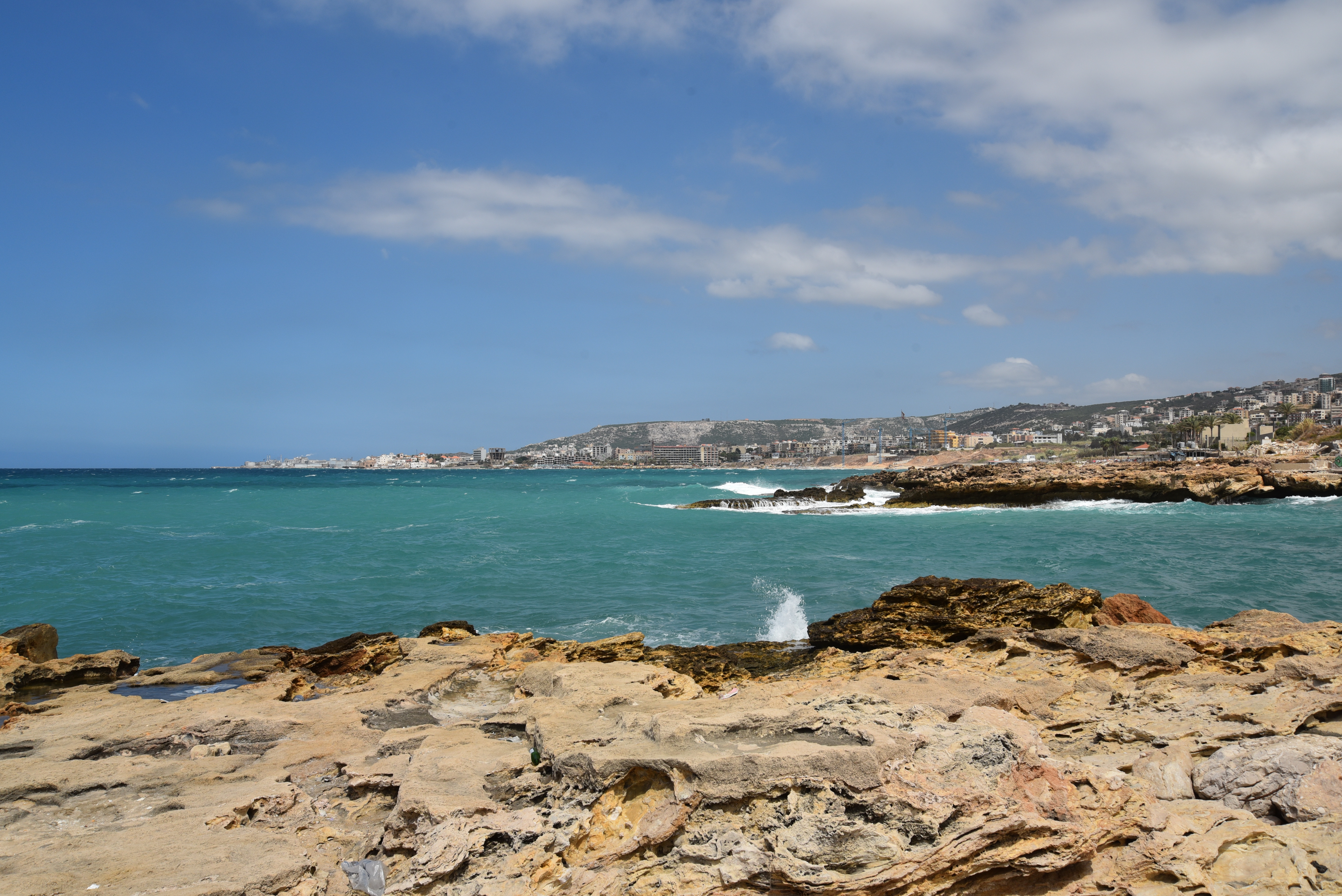
This course explores the rise and fall of the first international age in the eastern Mediterranean. We will focus on the cultural and diplomatic connections between Egypt, Syria, Anatolia and the Aegean during the Bronze Age, c. 2000-1200 BCE. Using archaeological and historical evidence we will explore the nature, extent and longevity of these connections and consider whether the Bronze Age really was the first age of ‘internationalism’.
- Instructor of record: Jennie Bradbury
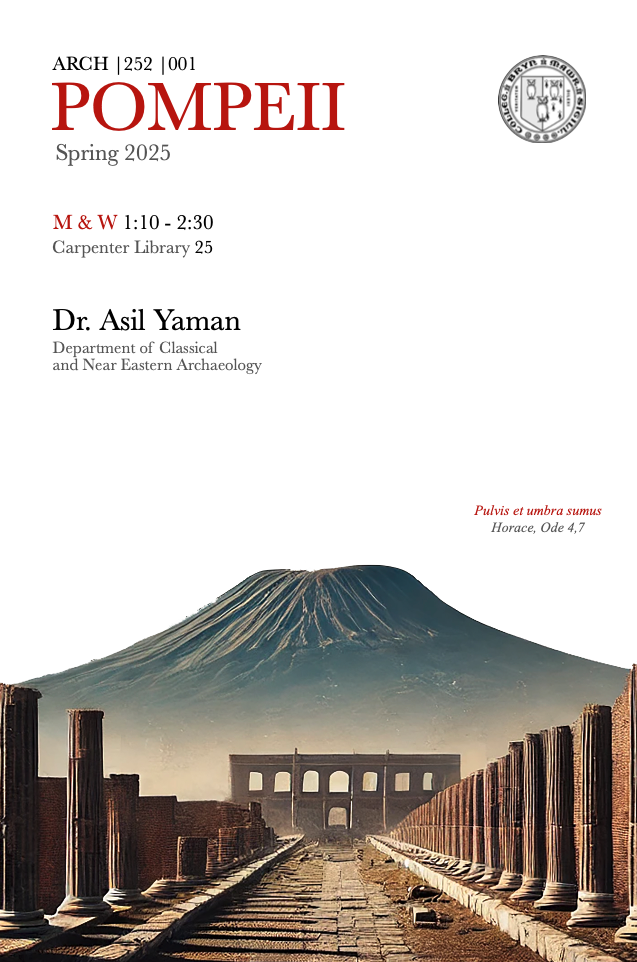
This course offers an in-depth examination of Pompeii, a Roman city preserved by the eruption of Mt. Vesuvius in 79 C.E. Students will analyze archaeological data, including material culture, art, architecture, and urban planning, to explore Pompeii’s social, political, and economic structures. The course also covers neighboring sites like Herculaneum and Stabiae, using them to contextualize broader Roman urbanism and society.
Engaging with primary sources such as artifacts, inscriptions, and frescoes, students will reconstruct aspects of daily life and governance. The course also examines the rediscovery of Pompeii in the 18th century and its influence on the development of modern archaeology. By the end, students will gain a deeper understanding of Roman urbanism, social structures, and how catastrophes preserve historical memory.
Engaging with primary sources such as artifacts, inscriptions, and frescoes, students will reconstruct aspects of daily life and governance. The course also examines the rediscovery of Pompeii in the 18th century and its influence on the development of modern archaeology. By the end, students will gain a deeper understanding of Roman urbanism, social structures, and how catastrophes preserve historical memory.
- Instructor of record: Asil Yaman
Instruction Mode: In Person
Class Meeting Dates and Times: M & W 1:10-2:30PM
- Instructor of record: Rocco Palermo
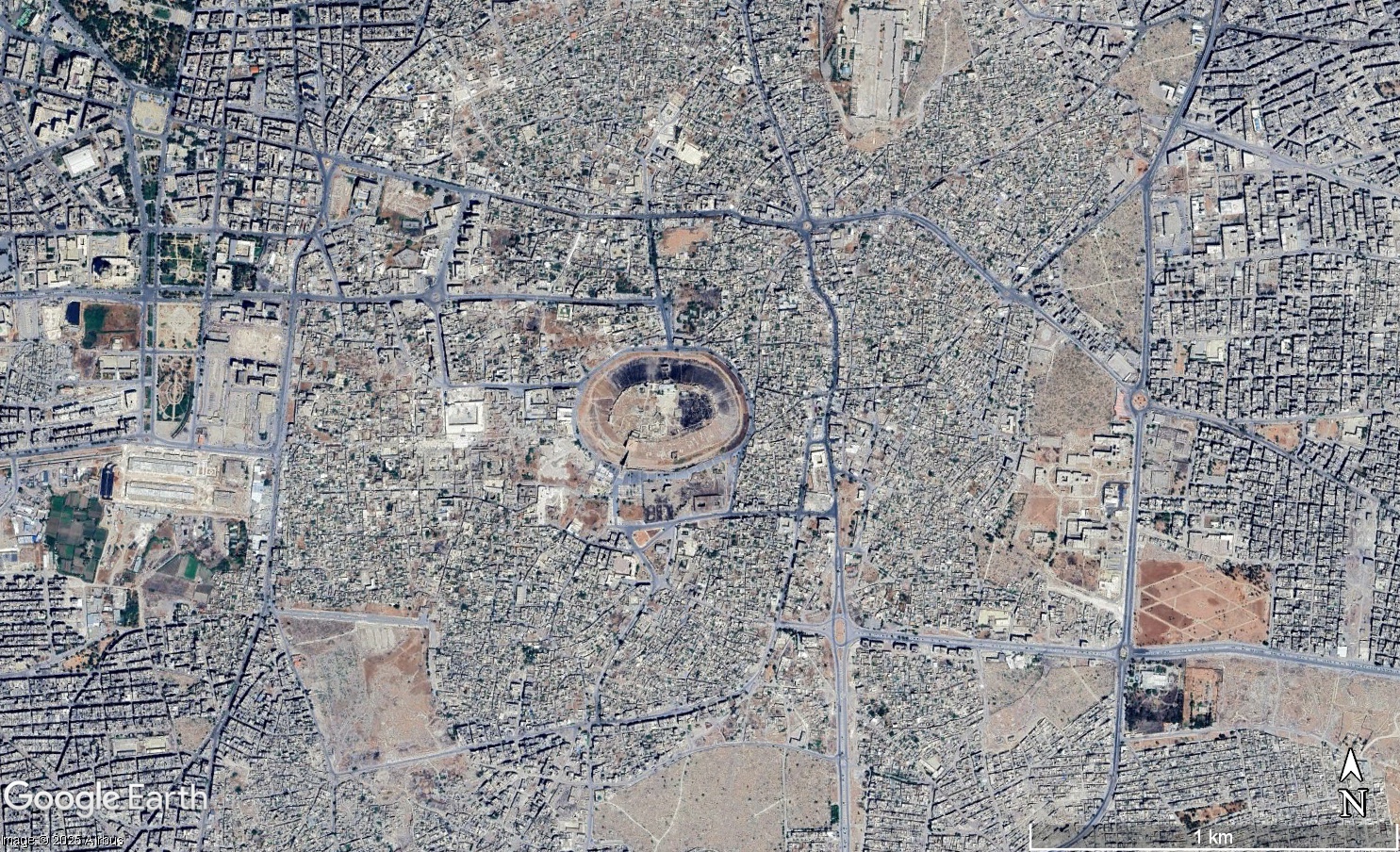
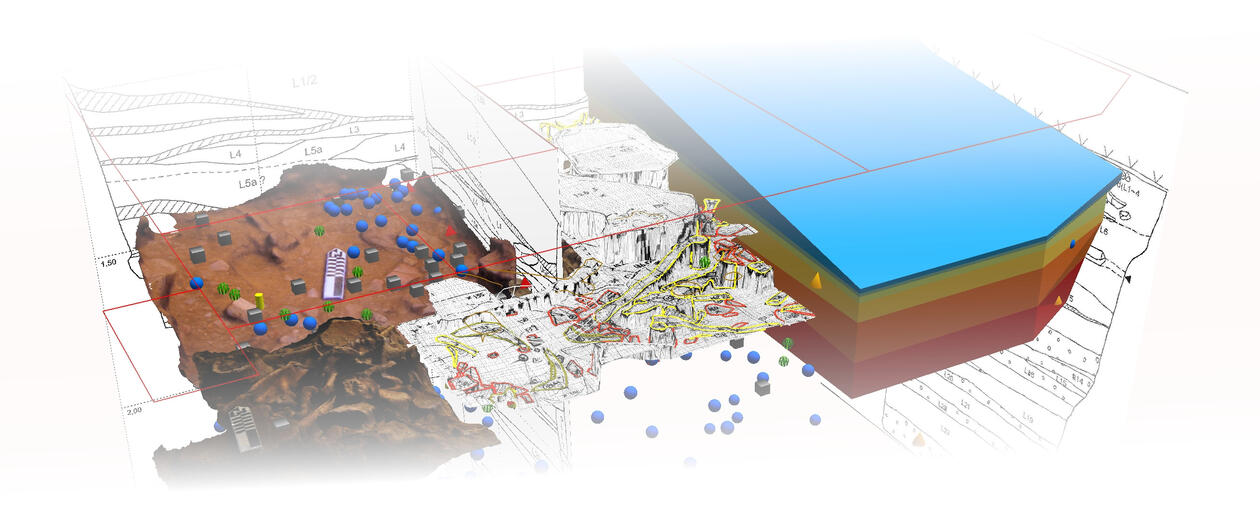
This course examines the archaeology of one of the most fundamental developments to have occurred in human society in the last 6,000 years, the origins of cities. Via assigned readings, class work and lectures we will consider the varied factors which led (or did not lead) to the emergence of cities, questioning what cities were (and are) and how they functioned in the ancient world. We will explore different trajectories towards urbanism that can be identified in the archaeological record and consider societies that did not experience these changes. By exploring processes and practices over the long-term, students will address issues of inequality in the earliest urban societies, developing an understanding of how axes of power and difference interacted to produce inequalities and hierarchies. We will also discuss the impacts these developments have had, and continue to have, on modern society and culture in the Middle East, North Africa and beyond. Themes covered will include the 'urban revolution', rurality and urbanism, urban planning and growth, houses and households, communication and mobility, climate and environment, power and inequality.
- Instructor of record: Jennie Bradbury
- Instructor of record: Wu Xin
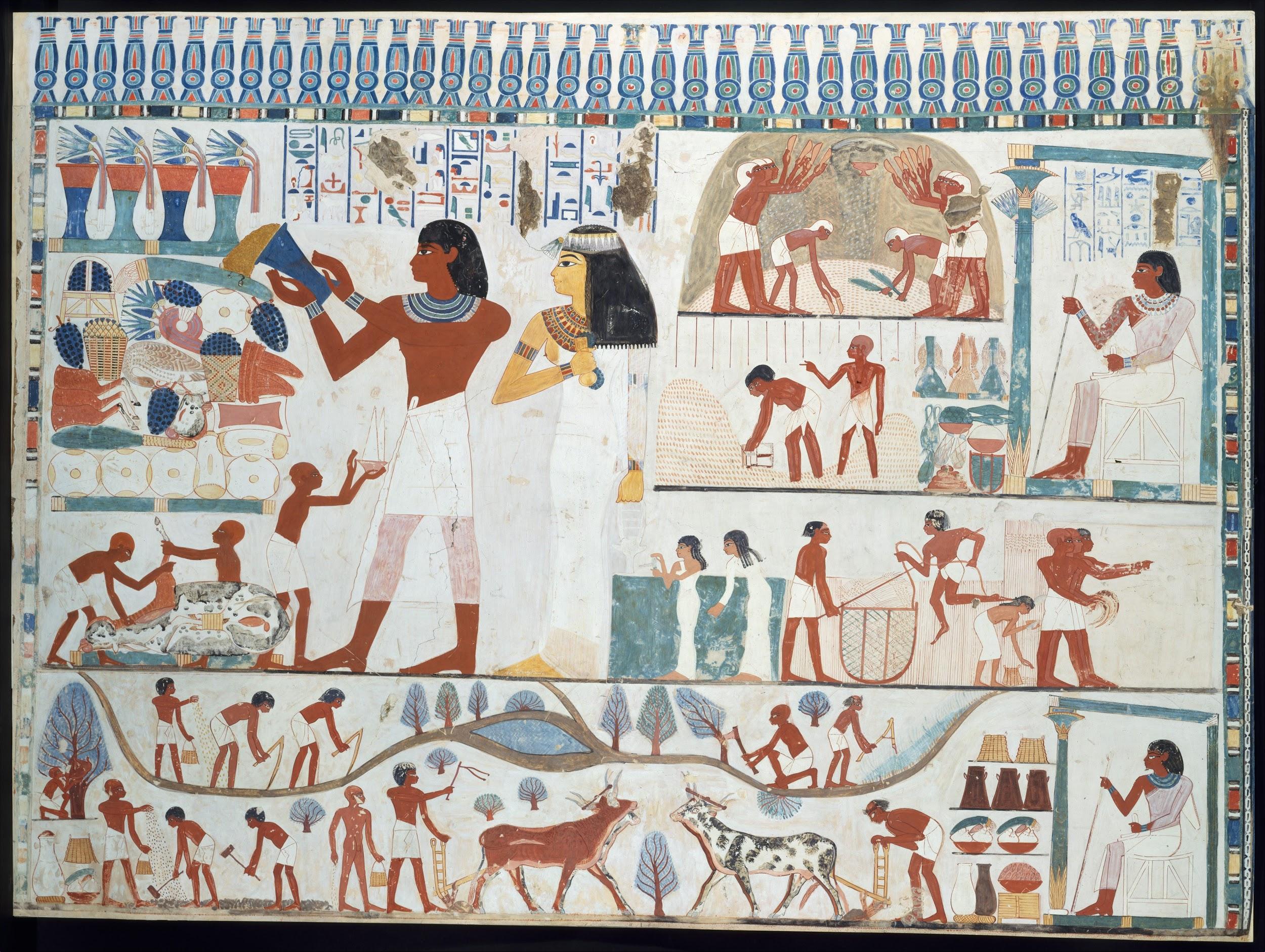
In this course, students will learn about the daily lives of ancient Egyptians – from birth through death. Utilizing archaeological remains and artifacts, textual sources (in translation), and imagery we will examine multiple aspects of Egyptian society, from the lowly peasant to the king to the “foreigner” living in Egypt and the Egyptian living abroad, and assess the different ways in which their lives were both experienced and portrayed. We will discuss topics such as the ancient Egyptian conception of family life and kinship, domestic and urban architecture, household religion, illnesses and medical treatments, the roles(s) of women, the presence of foreigners, types of jobs and the concept of “state” labor, food and drink, clothing, leisure activities, and the legal system. There is a wealth of archaeological material that students will become familiar with through sites such as the Old Kingdom workmen’s village at Giza, the Middle Kingdom towns of Lahun and Elephantine, the “foreign” city of Avaris, the New Kingdom artisan town of Deir el-Medina and capital at Amarna, and sites outside Egypt proper, such as Buhen in Nubia, Deir el-Balah in Palestine, or Beit She’an in Israel. Documents such as the Hekanakhte Papers, ostraca from the workmen and artisan villages, work rosters and complaints, legal documents, literary works, and funerary texts, as well as tomb inscriptions and imagery help to round out the picture of the lives of ancient Egyptians.
- Instructor of record: JJ Shirley
Instruction Mode: In Person
Class Meeting Dates and Times: Tuesday & Thursday 2:40-4pm
- Instructor of record: Rocco Palermo
- Other editing teacher: Daniel D'Elia
- Other editing teacher: Yusi Liu
- Instructor of record: Rocco Palermo
- Instructor of record: Rocco Palermo
- Instructor of record: Rocco Palermo
- Instructor of record: Rocco Palermo
- Other editing teacher: Daniel D'Elia
- Other editing teacher: Yusi Liu