
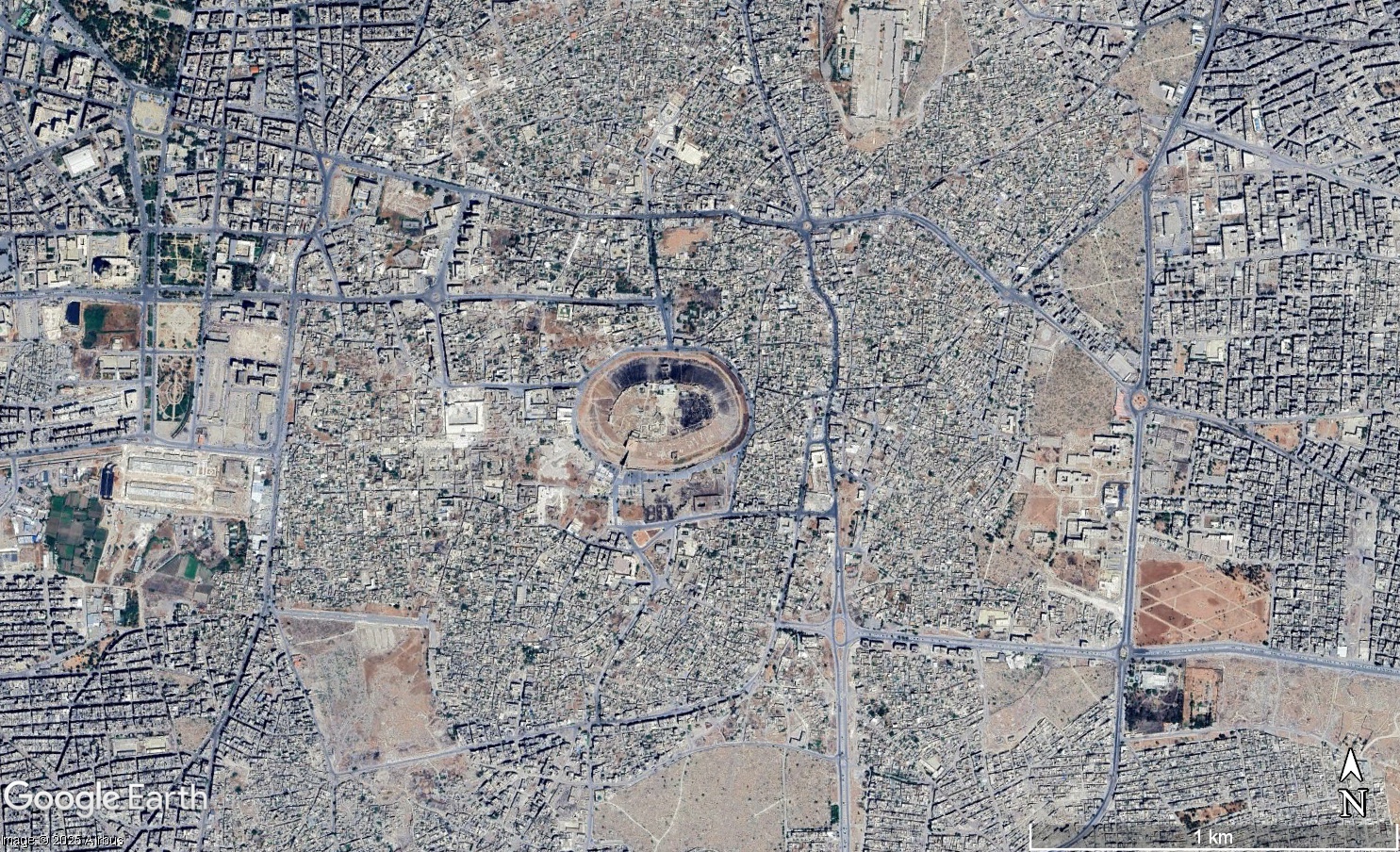
This course examines the archaeology of one of the most fundamental developments to have occurred in human society in the last 6,000 years, the origins of cities. Via assigned readings, class work and lectures we will consider the varied factors which led (or did not lead) to the emergence of cities, questioning what cities were (and are) and how they functioned in the ancient world. We will explore different trajectories towards urbanism that can be identified in the archaeological record and consider societies that did not experience these changes. By exploring processes and practices over the long-term, students will address issues of inequality in the earliest urban societies, developing an understanding of how axes of power and difference interacted to produce inequalities and hierarchies. We will also discuss the impacts these developments have had, and continue to have, on modern society and culture in the Middle East, North Africa and beyond. Themes covered will include the 'urban revolution', rurality and urbanism, urban planning and growth, houses and households, communication and mobility, climate and environment, power and inequality.
- Instructor of record: Jennie Bradbury