
- Instructor of record: Rocco Palermo
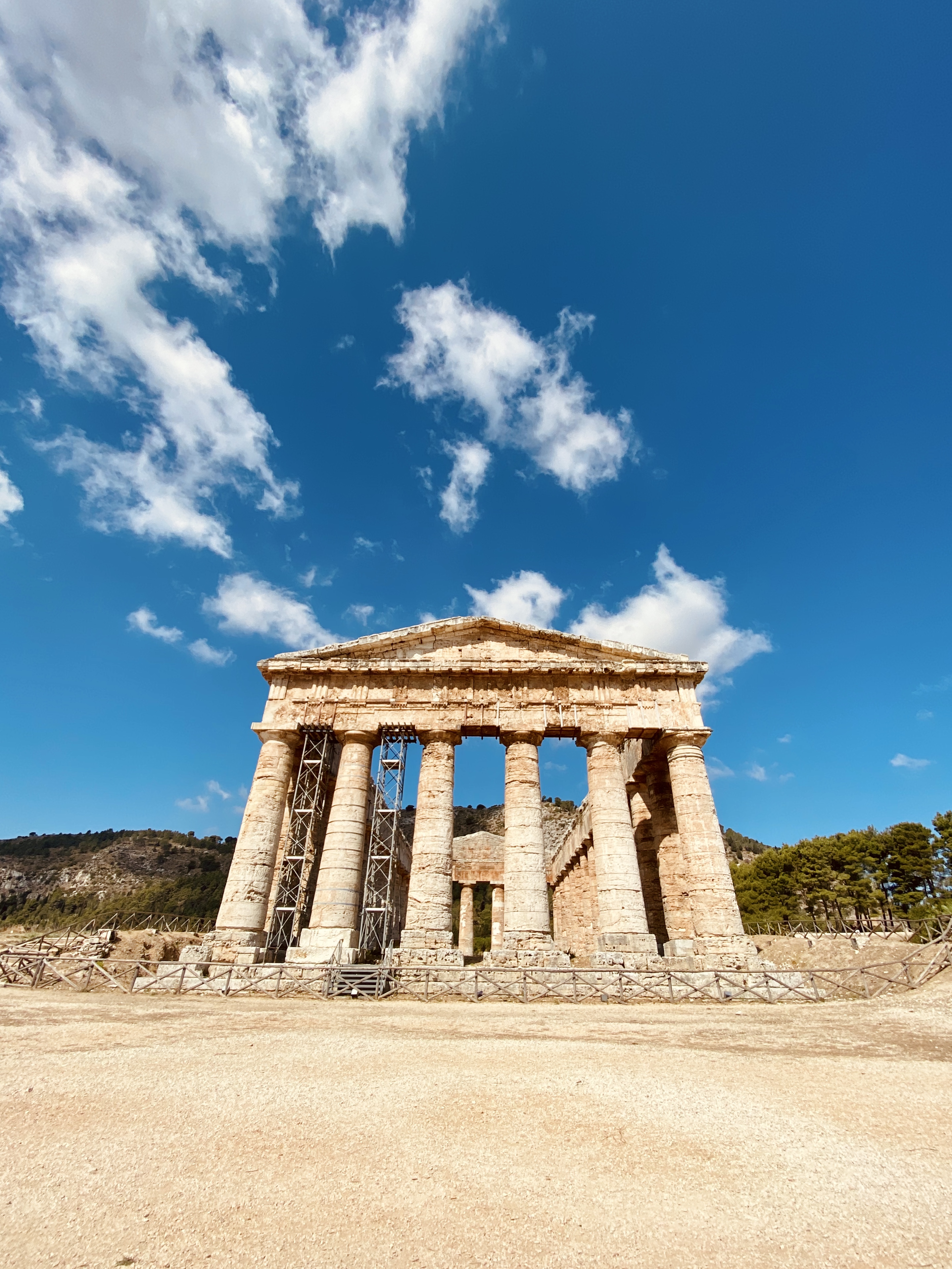
This course provides an intensive, critical survey of Classical Archaeology from the Bronze Age through Late Antiquity, with an emphasis on historiography, theory, and archaeological practice. Rather than offering an encyclopedic overview, the seminar foregrounds key debates, methodological approaches, and interpretive frameworks that have shaped—and continue to shape—the archaeology of the Greek, Hellenistic, and Roman worlds. Particular attention is given to non-urban contexts, landscape archaeology, and the materiality of empire.
- Instructor of record: Rocco Palermo

- Instructor of record: Robyn Price
- Instructor of record: Emily Smith-Sangster
- Other editing teacher: Astrid Lindenlauf
- Instructor of record: Henry Colburn
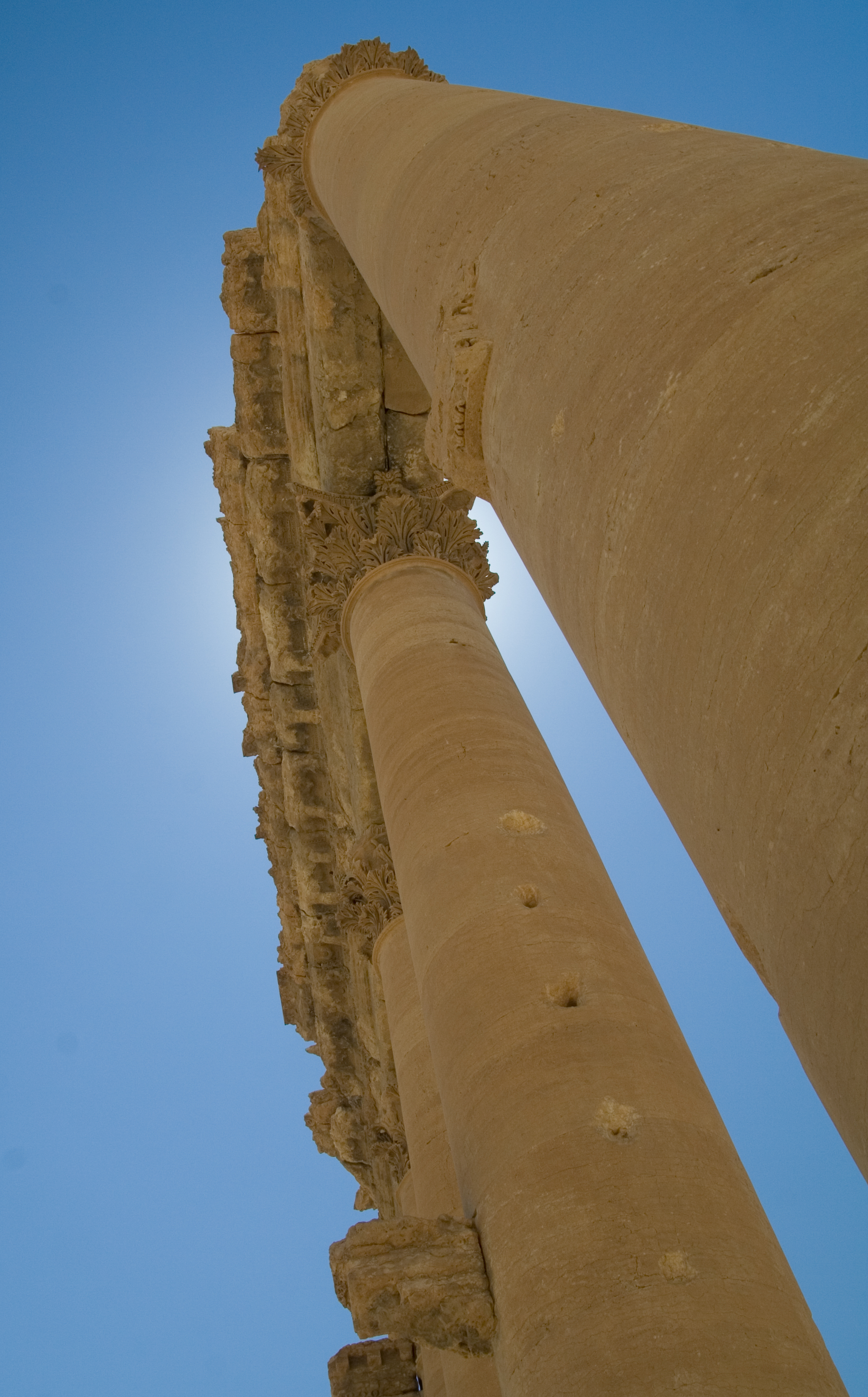
This course examines the impact - or lack thereof - the Roman Empire had on the visual and material culture in the Eastern Mediterranean and South-West Asia from the 1st century BCE to the 5th century CE. To understand the local response to Rome's expansion, we study the complex political and social structures that were in place in these regions long before the arrival of Rome as well as the agents that continuously negotiated between Rome, local polities, and external factors (i.e., nomadic tribes). We will explore the multi- faceted world of the easternmost provinces of the Roman Empire with reference to archaeological, visual, and textual sources and adopt counter-narrative approaches to critically discuss the nature of colonial and imperial encounters.
- Instructor of record: Rocco Palermo
- Instructor of record: Astrid Lindenlauf
- Instructor of record: Rocco Palermo
- Instructor of record: Astrid Lindenlauf
- Instructor of record: Rocco Palermo
- Instructor of record: Robyn Price
- Instructor of record: Henry Colburn
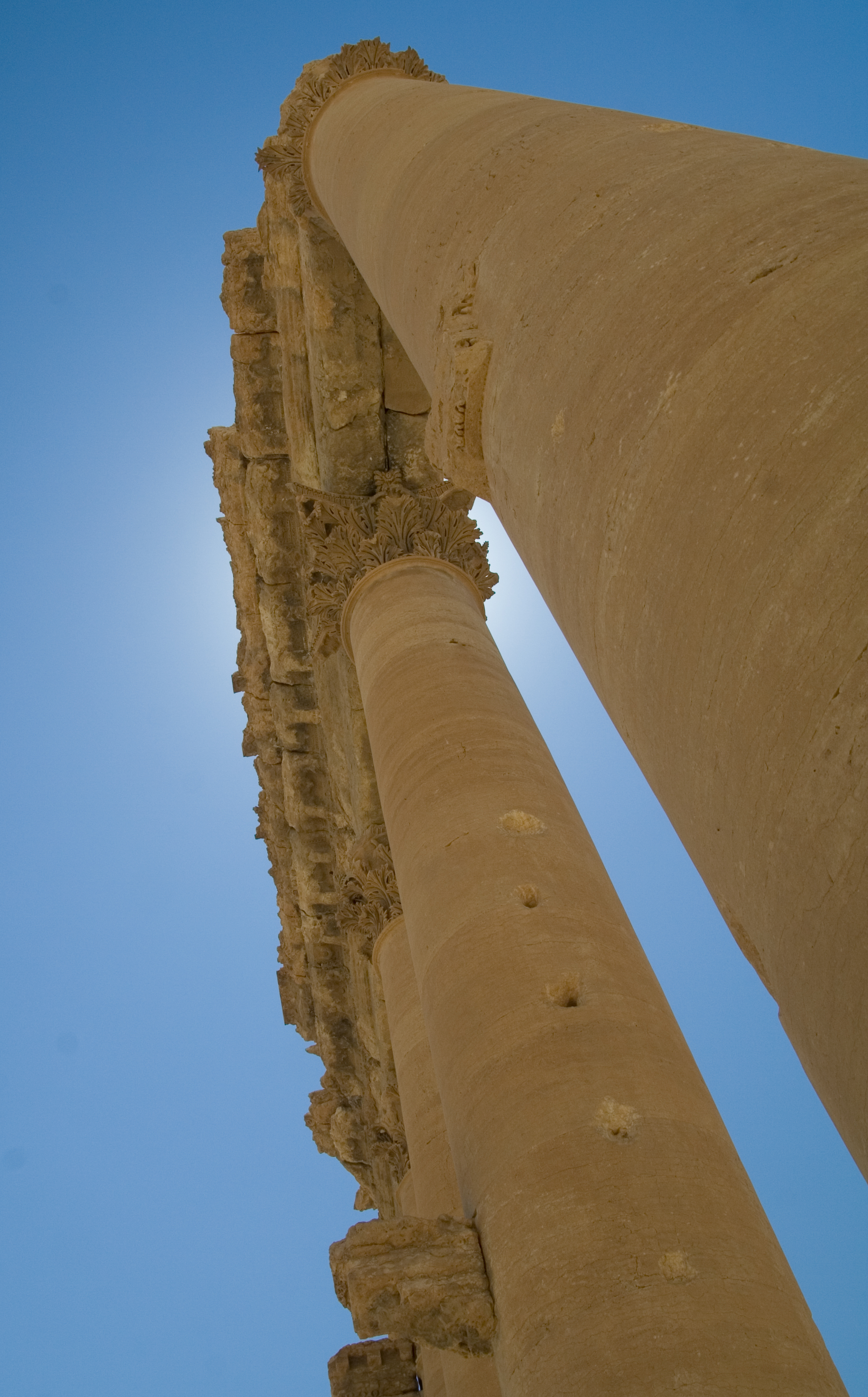
This course examines the impact - or lack thereof - the Roman Empire had on the visual and material culture in the Eastern Mediterranean and South-West Asia from the 1st century BCE to the 5th century CE. To understand the local response to Rome's expansion, we study the complex political and social structures that were in place in these regions long before the arrival of Rome as well as the agents that continuously negotiated between Rome, local polities, and external factors (i.e., nomadic tribes). We will explore the multi- faceted world of the easternmost provinces of the Roman Empire with reference to archaeological, visual, and textual sources and adopt counter-narrative approaches to critically discuss the nature of colonial and imperial encounters.
- Instructor of record: Rocco Palermo
- Instructor of record: Robyn Price
- Instructor of record: Emily Smith-Sangster
- Other editing teacher: Astrid Lindenlauf

- Instructor of record: Robyn Price
- Instructor of record: Emily Smith-Sangster
- Other editing teacher: Astrid Lindenlauf
- Instructor of record: Astrid Lindenlauf
- Instructor of record: Henry Colburn

This course provides an overview of Classical Archaeology, focusing on the material culture of the ancient Mediterranean world, including Greece, Rome, and surrounding regions. Students will explore key archaeological sites, monuments, artifacts, and their cultural, historical, and social contexts. Through lectures, discussions, and hands-on analysis, the course examines methodologies and theoretical approaches used in the study of Classical Antiquity. Topics include urbanism, religion, art, trade, and everyday life in ancient societies. By the end of the course, students will gain a foundational understanding of how archaeology contributes to our knowledge of the Classical world and its enduring influence on modern culture.
- Instructor of record: Rocco Palermo
- Other editing teacher: Clare Rasmussen
- Instructor of record: Rocco Palermo
- Instructor of record: Rocco Palermo

This course provides an overview of Classical Archaeology, focusing on the material culture of the ancient Mediterranean world, including Greece, Rome, and surrounding regions. Students will explore key archaeological sites, monuments, artifacts, and their cultural, historical, and social contexts. Through lectures, discussions, and hands-on analysis, the course examines methodologies and theoretical approaches used in the study of Classical Antiquity. Topics include urbanism, religion, art, trade, and everyday life in ancient societies. By the end of the course, students will gain a foundational understanding of how archaeology contributes to our knowledge of the Classical world and its enduring influence on modern culture.
- Instructor of record: Rocco Palermo
- Other editing teacher: Clare Rasmussen

This course provides an overview of Classical Archaeology, focusing on the material culture of the ancient Mediterranean world, including Greece, Rome, and surrounding regions. Students will explore key archaeological sites, monuments, artifacts, and their cultural, historical, and social contexts. Through lectures, discussions, and hands-on analysis, the course examines methodologies and theoretical approaches used in the study of Classical Antiquity. Topics include urbanism, religion, art, trade, and everyday life in ancient societies. By the end of the course, students will gain a foundational understanding of how archaeology contributes to our knowledge of the Classical world and its enduring influence on modern culture.
- Instructor of record: Rocco Palermo
- Other editing teacher: Clare Rasmussen