
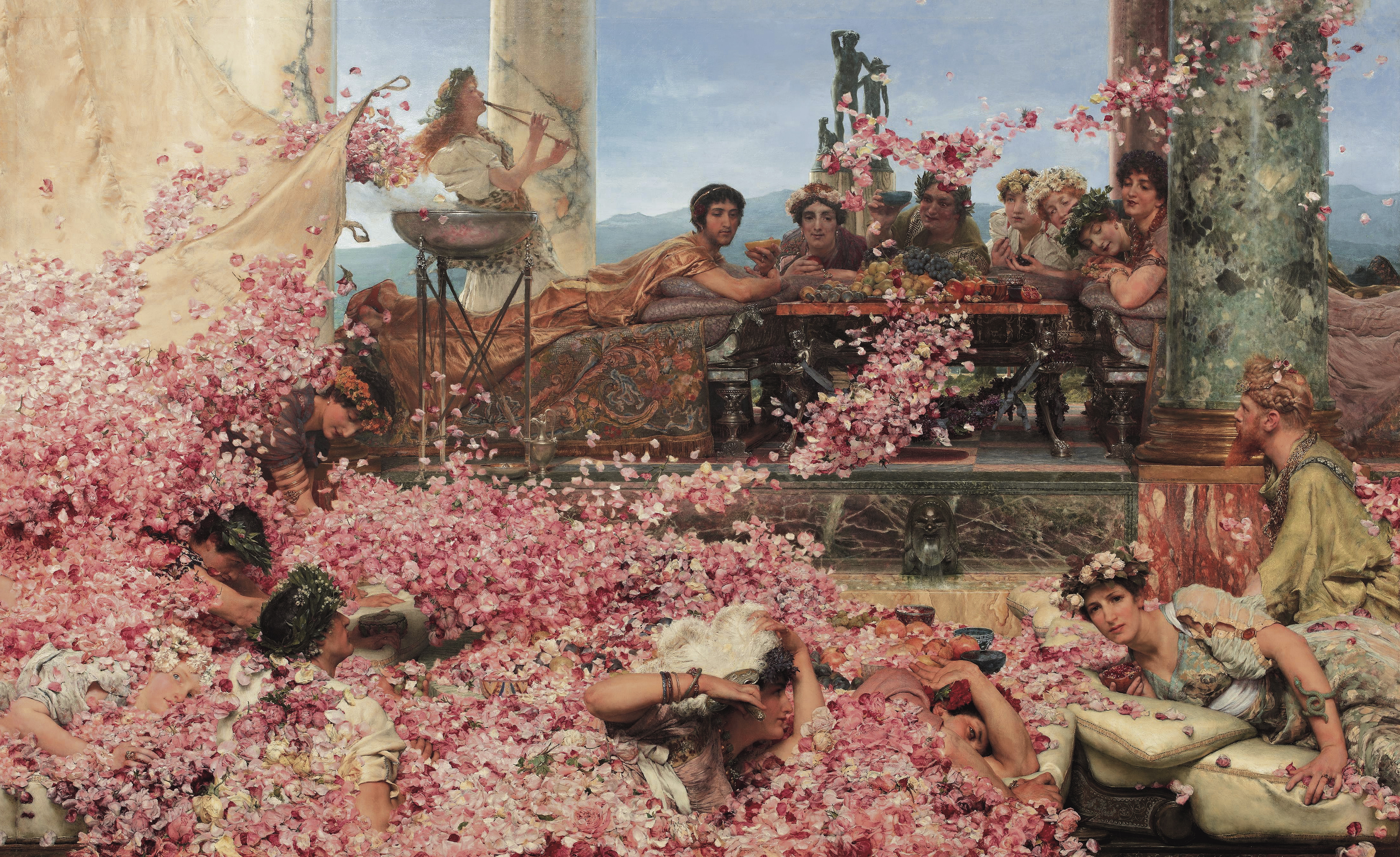
For as long as humans have existed, the need to produce, distribute, and consume food has structured everyday life. In antiquity, just as now, food enveloped every aspect of society, with weddings, funerals, religious rites, festivals, romantic encounters, and political decisions all revolving around the table. As these spaces were frequented by men and women, emperors and enslaved people, locals and migrants, animals to be eaten and adored, they offer a profound insight into the varieties of ancient life. In this course, we study these distinct yet overlapping dining cultures of Greece and Rome through archaeological and literary remnants, including the food they ate, the images they saw on dining floors and vessels, the utensils they used, the art they performed, and the ideas they discussed. We will further bring the aesthetics of ancient dining to life by recreating the foods, arrangements, and music of ancient dining in the classroom.
We will approach our material through three lenses: (1) agricultural/biological records of food production and consumption, (2) the socio-economic dimensions of eating and drinking, and especially (3) artistic and literary sources—particularly those that depict, or were performed in, symposia and convivia. Each week will consist of pairings, bringing together a staple of the ancient diet (e.g. fish, beef, grain), a socio-economic lens (gender, patronage, etc.), and ancient texts read in translation.
- Instructor of record: Martin Michalek
- Instructor of record: Asya Sigelman
- Instructor of record: Martin Michalek
- Instructor of record: Radcliffe Edmonds
- Instructor of record: Asya Sigelman
- Instructor of record: Radcliffe Edmonds