
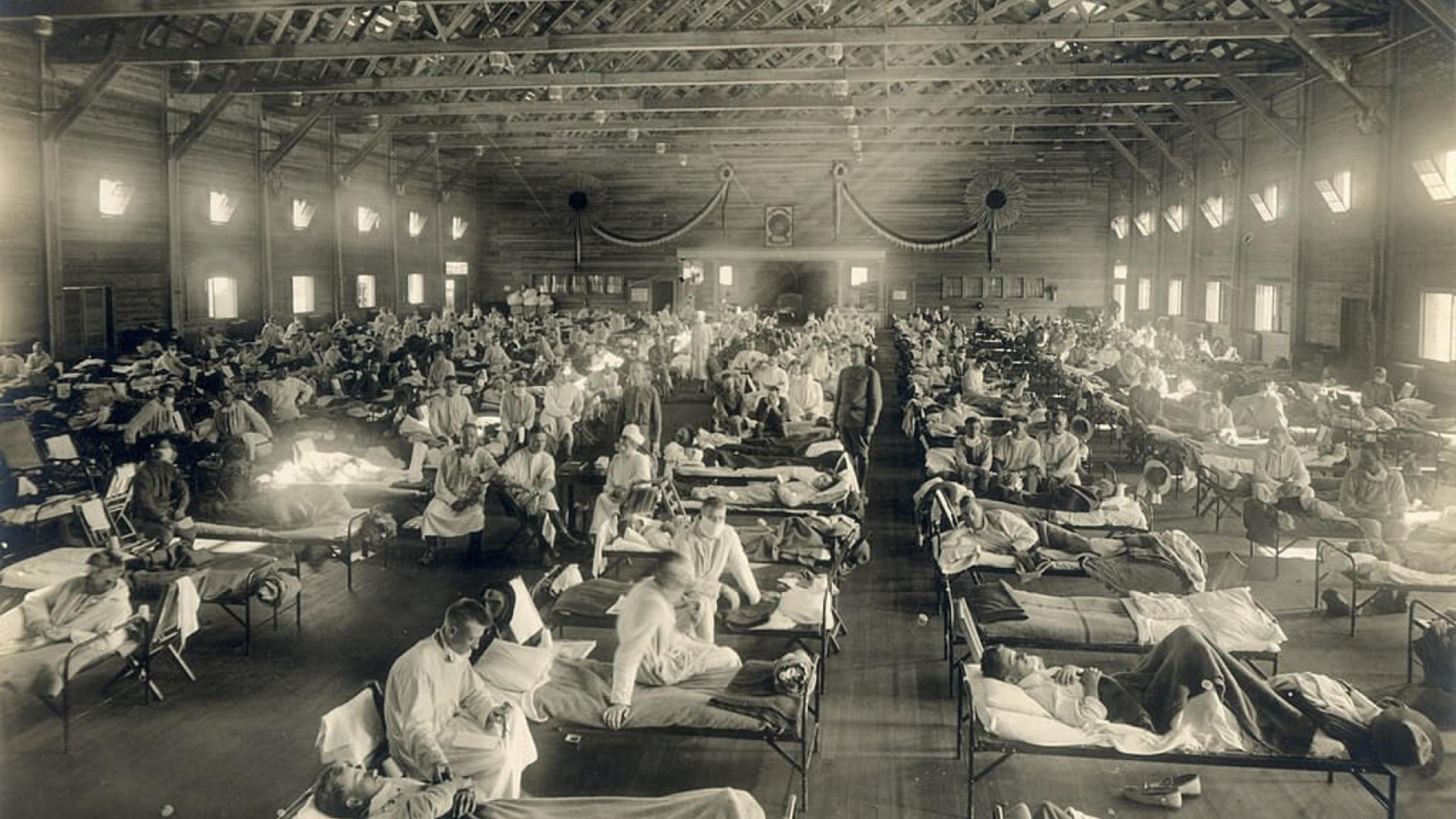
Having collectively lived through the COVID-19 pandemic, we know that pandemics can be testing and transformative times for society. Pandemics are unique moments in history as fault lines in society that are otherwise overlooked become starkly visible during pandemics. In this course, we will examine a range of pandemics and epidemics that have proven transformative both in the past and in contemporary times. The pandemics and epidemics we will examine will range from the Justinian plague of the 6th century CE to the 2025 measles outbreak. The course will be global in nature, examining how pathogens and people have traveled across the world, having varying impacts on different societies. We will also be employing an interdisciplinary perspective that includes public health approaches, literary narratives, historical methodology as well as ethnographic perspectives. We will be asking questions regarding disease, health, and well-being from the point of views of healers, patients, physicians as well as caregivers. We will understand how the management of pandemics has allowed nation-states to devise novel methods of managing populations and obtaining data about our individual and collective selves. While pathogens are crucial agents in the outbreak of pandemics, this course will show how it is human actions as well as societal factors that ultimately determine the outcome of pandemics. The course will also go beyond conventional thinking on pandemics and pay attention to the burgeoning but often ignored issues of mental health and disabilities.
- Instructor of record: Arnav Bhattacharya