

- Instructor of record, Other editing teacher: Danya Pilgrim
- Instructor of record: Stephen Vider
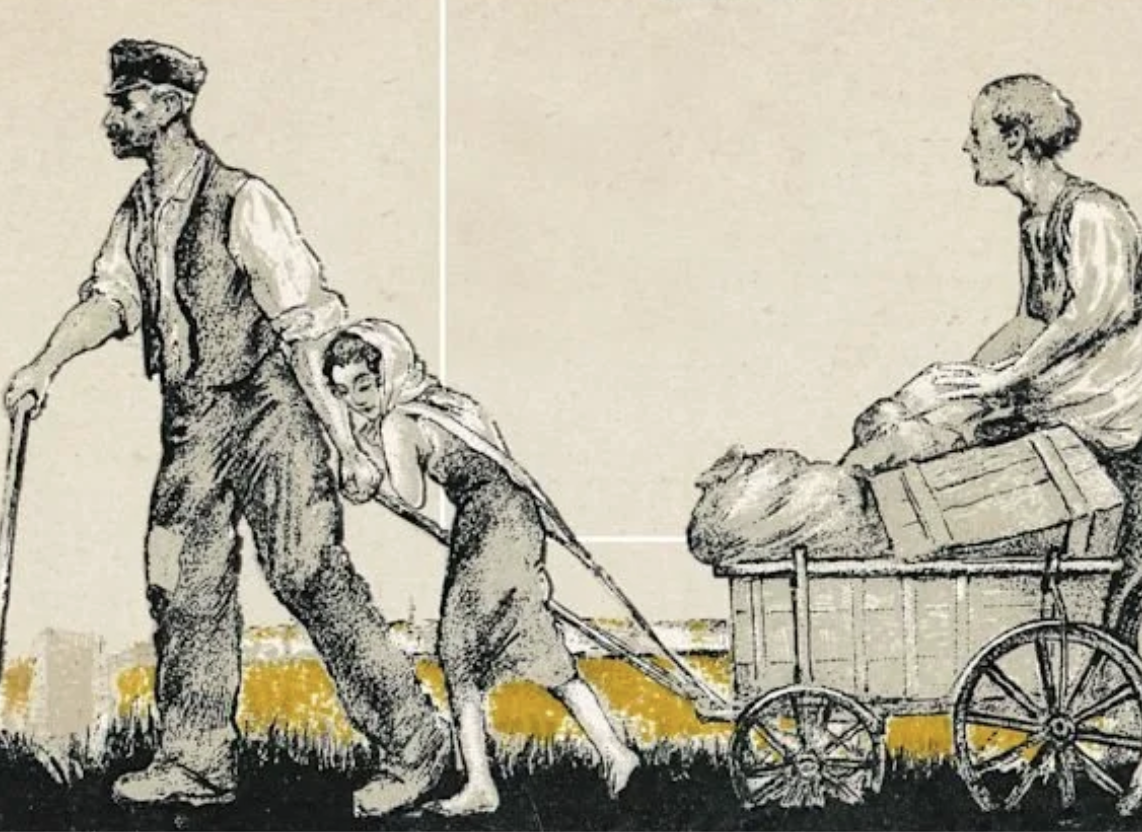
This course examines the history of forced displacement in modern Europe from the First World War to the present. The crises that forced millions to flee were many: nation-building and ethnic cleansing, imperial expansion and decolonization, persecution and world wars, epidemics and environmental catastrophe. Some drove people toward Europe; others away from it. We trace the creation of the modern refugee as a distinct legal and political category, examine the evolution of humanitarian aid efforts, European border controls, and the international refugee regime, and follow displaced persons through flight and transit, resettlement and integration, and, occasionally, return. Throughout, we attend to how gender, sexuality, class, ethnicity, race, religion, age, family status, citizenship, and ability have structured refugees’ experiences, public perceptions, and state policies. We will engage with a wide variety of visual, textual, oral, and digital sources, from virtual reality experiences and recent scholarship to the fictional and nonfictional works.
- Instructor of record: Ben Van Zee
- Instructor of record: Madhavi Kale
Mention of “India” may well conjure the image of a specific formation, with its capital roughly in the center and borders firmly drawn – or hatched and disputed. However, it would be well to remember the relative newness of that mapping, as well as what that map erases – well to remember that the map is a palimpsest under which many other stories and contours have been asserted, lived, denied, assumed, and refused.
This course proceeds from the assumption that the category of “India” (indeed, of any nation, people, place) is historically produced: not stable, not continuous, but constituted – politically, geographically, culturally – in specific contexts by specific actors using specific media, technologies and resources to varied ends. Temporally and thematically, the course focuses on the India constituted by British colonialism, for reasons that I hope will become apparent as the semester proceeds. A central concern of the course is to cast into relief the contested terrain that is historical scholarship and to try to understand, in the contexts of India, what is at stake in the arguments and battles over what constitutes the past of the nation.
While this is in many ways a course about developments and dynamics that took place in and around "India" as a site of historical production and political projection in various conjunctures in "the past," it is also very much about the conditions and mutually-constitutive discourses on race, caste, gender, class, labor, nation and citizenship in which people experience, frame, critique, defend and otherwise engage myriad imaginings of “India,” in the "present" we currently inhabit. The course is designed accordingly, so that students can develop their reading, analytical, critical and expository skills as we proceed through events and debates around slavery, modernity, and historical practice.
This course proceeds from the assumption that the category of “India” (indeed, of any nation, people, place) is historically produced: not stable, not continuous, but constituted – politically, geographically, culturally – in specific contexts by specific actors using specific media, technologies and resources to varied ends. Temporally and thematically, the course focuses on the India constituted by British colonialism, for reasons that I hope will become apparent as the semester proceeds. A central concern of the course is to cast into relief the contested terrain that is historical scholarship and to try to understand, in the contexts of India, what is at stake in the arguments and battles over what constitutes the past of the nation.
While this is in many ways a course about developments and dynamics that took place in and around "India" as a site of historical production and political projection in various conjunctures in "the past," it is also very much about the conditions and mutually-constitutive discourses on race, caste, gender, class, labor, nation and citizenship in which people experience, frame, critique, defend and otherwise engage myriad imaginings of “India,” in the "present" we currently inhabit. The course is designed accordingly, so that students can develop their reading, analytical, critical and expository skills as we proceed through events and debates around slavery, modernity, and historical practice.
- Instructor of record: Madhavi Kale
- Instructor of record: Stephen Vider

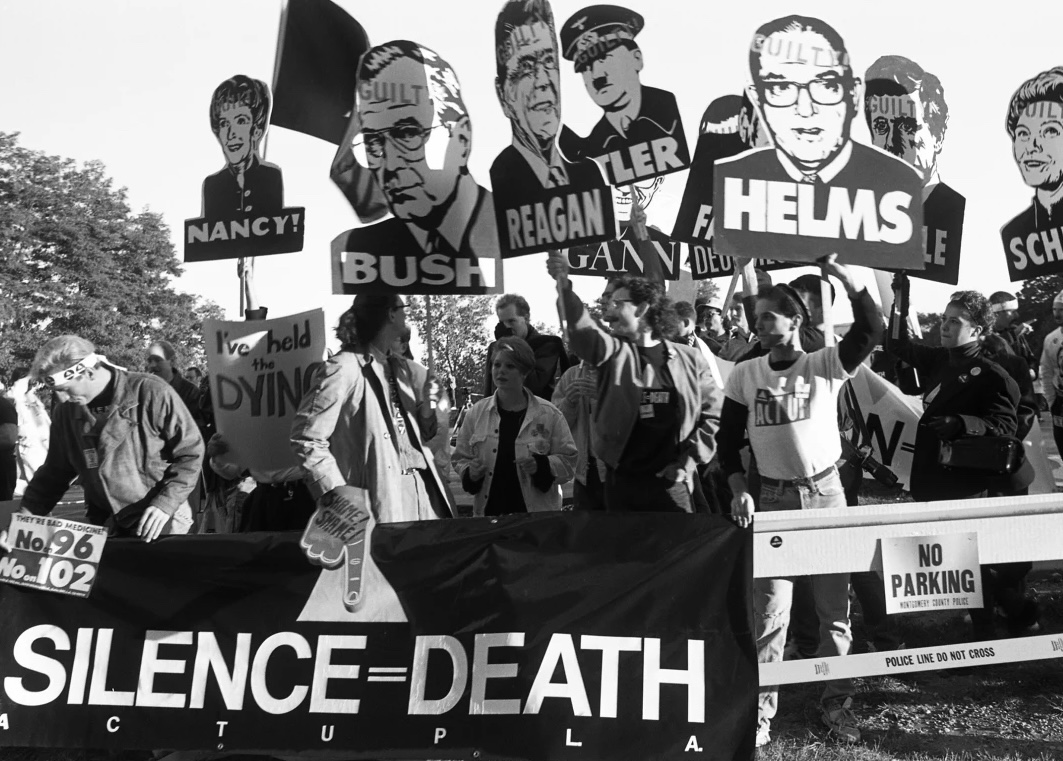
John Adams believed that the American Revolution started before the war even began. He insisted that "the Revolution was in the minds and hearts of the people." Students in this course will examine the American Revolution from different perspectives and through current scholarship to gain deeper insight into the events, people, and ideas that shaped it. Students will also have the opportunity to analyze how successive generations have memorialized the Revolution through local and national celebrations, material and print culture, and media. As this Semiquincentennial year draws to a close, explore the Spirit of '76 and its ongoing and often contested legacy in the United States today.
- Instructor of record: Danya Pilgrim
Instruction Mode: In Person
Class Meeting Dates and Times: Tuesdays and Thursdays, 1:10 p.m. to 2:30 p.m.
- Instructor of record: Ben Van Zee
- Instructor of record: Ignacio Gallup-Diaz
- Instructor of record: Kalala Ngalamulume